An itemized medical bill is the single most powerful tool you have when disputing a hospital charge — and most patients never ask for one. Studies show that up to 80% of medical bills contain errors, and those errors almost always favor the hospital. Before you pay anything, here’s exactly how to request your itemized medical bill and what to look for when you get it.
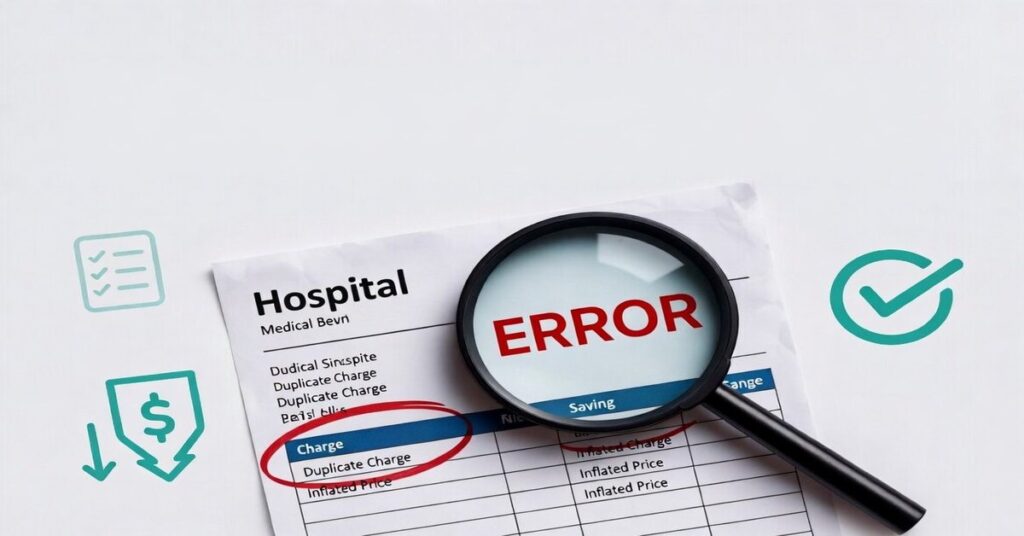
What Is an Itemized Medical Bill?
When a hospital sends you a bill, what you typically receive is a summary — a single number with little explanation. An itemized medical bill is different. It lists every single charge individually: every medication dispensed, every procedure performed, every supply used, every hour in a room. It’s the full receipt for your care.
You have a legal right to request one. Hospitals are required to provide it. And you should always ask for it before paying anything on a large bill.
How to Request Your Itemized Medical Bill
Call the hospital’s billing department and say: “I’d like to request a complete itemized medical bill for my visit, including all procedure codes and diagnosis codes.”
A few things to know when you call:
- They may call it an “itemized statement” or “itemized receipt” — these are the same thing.
- Ask for it in writing, either by mail or secure email.
- Ask them to place a billing hold on your account while you review it — this prevents the bill from moving to collections.
- If they resist or delay, remind them it’s your legal right under HIPAA.
6 Common Errors to Look for on Your Itemized Medical Bill
Once you have your itemized medical bill in hand, go through it line by line. These are the errors that appear most often:
1. Duplicate charges
The same service billed twice. Look for any line item that appears more than once.
2. Upcoding
Billing for a more expensive procedure than what was actually performed. For example, being charged for a complex office visit when you had a routine checkup.
3. Unbundling
Billing separately for procedures that should be billed together at a lower combined rate. Common with surgical procedures and lab panels.
4. Charges for services not received
Compare the bill against your own notes or memory of your visit. If something on the bill doesn’t match what actually happened, flag it immediately.
5. Operating room fees for minor procedures
Hospitals sometimes charge operating room fees for procedures performed in a regular exam room. These are often successfully disputed.
6. Incorrect personal or insurance information
A wrong date of birth, incorrect insurance ID, or misspelled name can cause a claim to be denied or misapplied. Always verify your information at the top of the bill.
What to Do When You Find an Error
Don’t pay the bill while errors are under review. Call the billing department, explain what you found, and ask them to correct it and send a revised bill. Keep notes on every call — the date, the name of the person you spoke with, and what they said.
If the billing department pushes back, ask to speak with a patient advocate or billing supervisor. If you need outside help, Dollar For is a free nonprofit that helps patients navigate exactly these situations.
Don’t Stop at the Itemized Bill
Catching errors is step one. But even an accurate bill may not be the final number you owe. Most hospitals will negotiate, and many patients qualify for assistance programs that can dramatically reduce or eliminate the balance.
Before you pay, read our guides on how to negotiate a hospital bill and how to apply for charity care hospital programs — you may owe far less than the bill says.
The bottom line
Request an itemized medical bill for every large hospital charge. Review it line by line before paying anything. Errors are common, correctable, and almost always worth disputing. A single phone call could save you hundreds — or thousands — of dollars.
Fight Med Bills provides free educational information to help patients navigate the medical billing system. This is not legal or financial advice.